
The Igbo Traditional Wedding (Igba Nkwu)The Igbo Traditional Wedding (Igba Nkwu)
Introduction and Enquiry Stage (Iju Ese)Introduction and Enquiry Stage (Iju Ese)
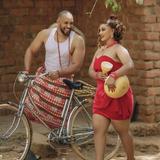
Iju Ese, meaning “to enquire” or “to ask,” is the first stage of the Igbo marriage process. During this important phase, both families learn about one another’s character, values, reputation, and background to ensure compatibility and build a strong foundation for marriage. Families enquire about lineage, community standing, family conduct, health history, and moral reputation, seeking clarity on any issues that could affect the union. This process reflects the Igbo belief that marriage joins not only two individuals but also two families. An Igbo proverb says, “Onye a jụghị ajụjụ, ọ gahie uzo” — “he who fails to ask questions ends up misled.” This captures the essence of Iju Ese: thoughtful enquiry before commitment. Once both families are satisfied with their findings, the remaining marriage rites can proceed with confidence, trust, and peace of mind.
Formal Proposal and Family Acceptance Stage (Iku Aka)Formal Proposal and Family Acceptance Stage (Iku Aka)
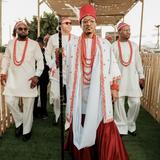
Iku Aka, meaning “to knock,” is the formal visit where the groom and his family approach the bride’s family to officially declare his intention to marry their daughter. It marks the first culturally recognized step of commitment and serves as the formal marriage proposal. Traditionally, the groom arrives with a gift, reflecting the Igbo saying, “A naghị agba aka eje be ogo,” meaning, “You do not go to your in-law’s house empty-handed.” During the ceremony, the groom does not speak for himself. Instead, a representative from his family presents the purpose of the visit, while the bride’s family responds through their own spokesman. If the proposal is accepted, the bride’s family presents the bride price list, outlining the items the groom is expected to provide for the bride and her immediate and extended family before the marriage rites can proceed.
Payment of the Bride Price (Imégo Nwanyi)Payment of the Bride Price (Imégo Nwanyi)
Imégo, is the ceremony where the groom and his family come to pay the bride price. It is a small but important gathering held before the main traditional wedding ceremony. At this stage, the list given to the groom is brought back in full, and both families sit together to confirm that everything required has been provided. Discussions and negotiations usually take place at this stage and both families must reach a final agreement before the marriage rites continue and the bride is brought out. Although it is not yet the main traditional wedding, Imégo is the stage where the groom’s family shows respect, fulfills their obligations, and receives the approval needed to proceed to the final rites or celebrations.
Final Wedding Ceremony / Public Celebration (Igba Nkwu)Final Wedding Ceremony / Public Celebration (Igba Nkwu)
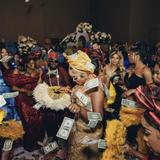
Igba Nkwu is the final celebration of the Igbo traditional marriage process, marking the completion of all marriage rites. It is the day the bride publicly presents her husband to family and friends and receives her family’s final blessing. One of the most anticipated moments is “The Search.” Before the bride appears in her second outfit, the groom hides among the guests. The bride’s father then presents her with a drink, traditionally palm wine, and instructs her to find the man she wishes to marry and offer him the drink. Accompanied by friends, the bride dances through the crowd searching for her groom as guests celebrate and spray her with money. Once she finds him, she kneels and presents the covered drink. The groom may also spray her with money before she unveils it, takes a sip, and offers it to him. After drinking, he places money in the cup as a token for his bride. Together, they return to her father, who blesses them and formally declares them husband and wife.