Asha Elizabeth & Douglas Joseph


Rituals & Attire
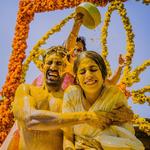
Haldi
Haldi is a pre-wedding event where loved ones paint the wedding couple with a paste of rich yellow Haldi (turmeric). Yellow signifies beauty, fertility, and purity. It also wards off evil, thereby preparing the couple for life together and blessing them with good luck.
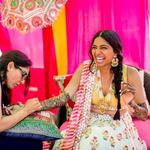
Mehndi Party
A mehndi (henna) party is a pre-wedding event traditionally hosted by the bride’s family as a way of wishing the bride good health and prosperity as she makes her journey on to marriage. The traditional focus of the event is on applying the bridal mehndi to her hands and feet.
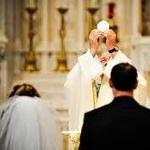
Catholic Weddings IYKYK
ONE. Catholic churches represent a community of a particular faith. Celebrating a wedding in the church helps anchor a couple at the start of their journey in a supportive community of faith. TWO. The Liturgy of the Word is comprised of several readings. First, a reading of the Old Testament. Second, a reading from the New Testament. Last is the Homily where the priest reflects on the readings and the marriage. THREE. After vows, priest bless the rings as symbols of love and fidelity. Couples then slide the ring onto each other’s ring fingers, completing the ring ceremony.
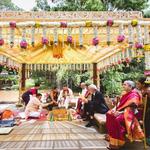
Hindu Weddings IYKYK
ONE. Mandaps are wedding altars and four-pillared structures where marriage ceremonies take place. The four pillars represent the four amazing parents that raised the bride and groom. TWO. Fire is regarded as the purifier and sustainer of life in Hinduism and burns in the center of the mandap. Like Catholic marriages, Hindu marriages are sacraments not contracts. The fire is kept as a witness and signifies the strength of the bond. THREE. Jai Mala is a flower garland exchanged between the newlyweds, symbolizing the bride and groom welcoming each other into their families.
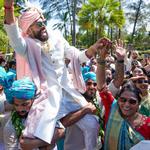
Baraat Ceremony
In Hindu weddings, the groom's family and friends escort him to the marriage venue in a procession known as the Baraat. Historically, the groom's side would travel, singing and dancing, from their village to the bride's to kick-off the festivities. The Baraat is one of the key highlights of the main wedding day filled with tons of dancing, so start practicing your Bhangra and get ready to show us those moves!