
Things To Do
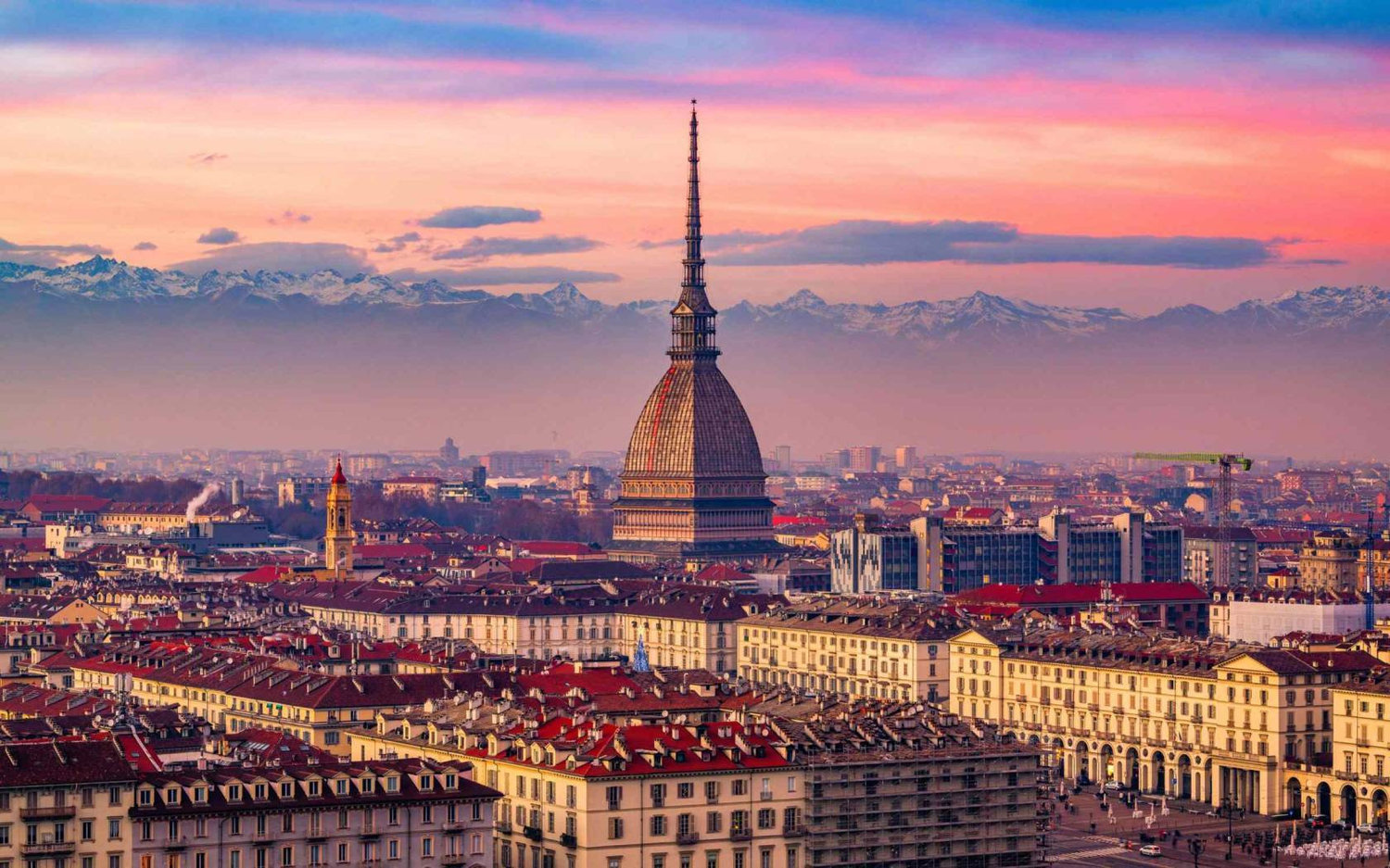
Mole Antonelliana
The Mole Antonelliana, an icon and symbol of Turin, is home to the Museo Nazionale del Cinema. History, architecture and culture come together in this unique landmark.
Basilica di Superga
This late-Baroque hilltop church designed by Filippo Juvarra is located in Superga, just outside of Turin, and overlooks the city and the Alps. Tip from Ceci: to get there, take the scenic Sassi-Superga Tramway, one of the few rack railways still in operation in Italy.
Parco del Valentino
Walk (or run!) through Turin's most iconic nature oasis, a beautiful park with bars and cafes. Stroll along the Po River and reach Borgo Medioevale, an open air museum and reconstructed medieval village and castle. Ceci tip: visit the Botanical Garden on your way there.
Piazza San Carlo
This is our favorite square in Turin. It is an example of baroque architecture and is home to historic cafes (visit Caffè San Carlo and Stratta) and beautiful boutique stores. Interesting fact (from Ceci): if you look closely at the facades of the buildings surrounding the square, you will be able to see cannonballs still embedded in the masonry, dating back to the historic French sieges of 1706 and 1799.
Museo Egizio
This is considered the second most important Egyptological collection in the world after the one at the Egyptian Museum of Cairo. If you like history (and even if not), it's worth a visit.
Reggia di Venaria
Located just a 30 minute drive from downtown Turin, the Palace of Venaria is one of the 14 residences of the Royal House of Savoy built between the 16th and 18th centuries, which were then designated a UNESCO World Heritage Site in 1997. It houses the Great Gallery, a breathtaking 80-meter-long Baroque hall designed by Filippo Juvarra. Make sure you save time for the Gardens.
Mara dei Boschi
In Ceci's (not so humble) opinion, this is simply the best ice cream in Turin.