Things To DoThings To Do
Nocera InferioreNocera Inferiore
I’m from Nocera Inferiore, a lively town halfway between Naples and the Amalfi Coast. It used to have quite a few manicomi—which might explain why the locals (myself included) are a little eccentric. But we make up for it with great food, big hearts, and Cantina del Vescovo, hands down the best restaurant in town.
NapoliNapoli
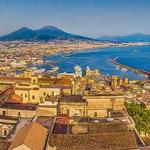
Vibrant and full of life, Naples is one of Italy’s oldest cities, rich in history, art, and tradition. Known for its lively streets, world-class museums, and legendary cuisine, it’s the perfect starting point for exploring the Bay of Naples.
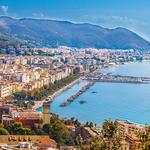
SalernoSalerno
Less chaotic than Naples but equally full of life, Salerno combines seaside beauty with local authenticity. Its long waterfront, medieval center, and relaxed rhythm make it an inviting base for exploring the Amalfi Coast.
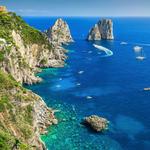
CapriCapri
Famous since Roman times, Capri was once the retreat of Emperor Tiberius, who ruled the empire from his villa on the island. Today it’s known for its dramatic cliffs, Blue Grotto, and elegant atmosphere, attracting visitors from around the world.
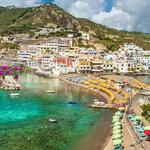
IschiaIschia
The largest island in the Bay of Naples, Ischia is known for its natural beauty, volcanic hot springs, and lush gardens. Less crowded than Capri, it offers sandy beaches, scenic hikes, and a more relaxed island atmosphere.
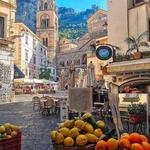
AmalfiAmalfi
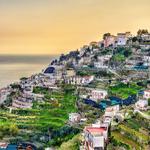
Once a powerful maritime republic, Amalfi is now a charming coastal town known for its colorful houses, lively streets, and stunning sea views. Its beautiful cathedral and waterfront make it a perfect stop along the Amalfi Coast. It can easily be reached by boat from Salerno.
RavelloRavello
Perched high above the Amalfi Coast, Ravello offers breathtaking views and a peaceful atmosphere. Less crowded than other coastal towns, it’s known for its beautiful gardens, elegant villas, and classical music festivals. Villa Rufolo is a must-see.
PompeiPompei
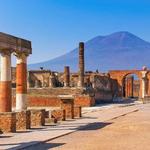
Buried by the eruption of Mount Vesuvius in 79 AD, Pompeii offers a fascinating window into ancient Roman life. One of the world’s most famous archaeological sites, it’s vast, atmospheric, and unforgettable.
HerculaneumHerculaneum
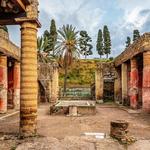
Destroyed along with Pompeii during the eruption of Mount Vesuvius in 79 AD, this site is less famous but remarkably well-preserved. It’s an excellent choice for those who prefer a visit that involves less walking.
PaestumPaestum
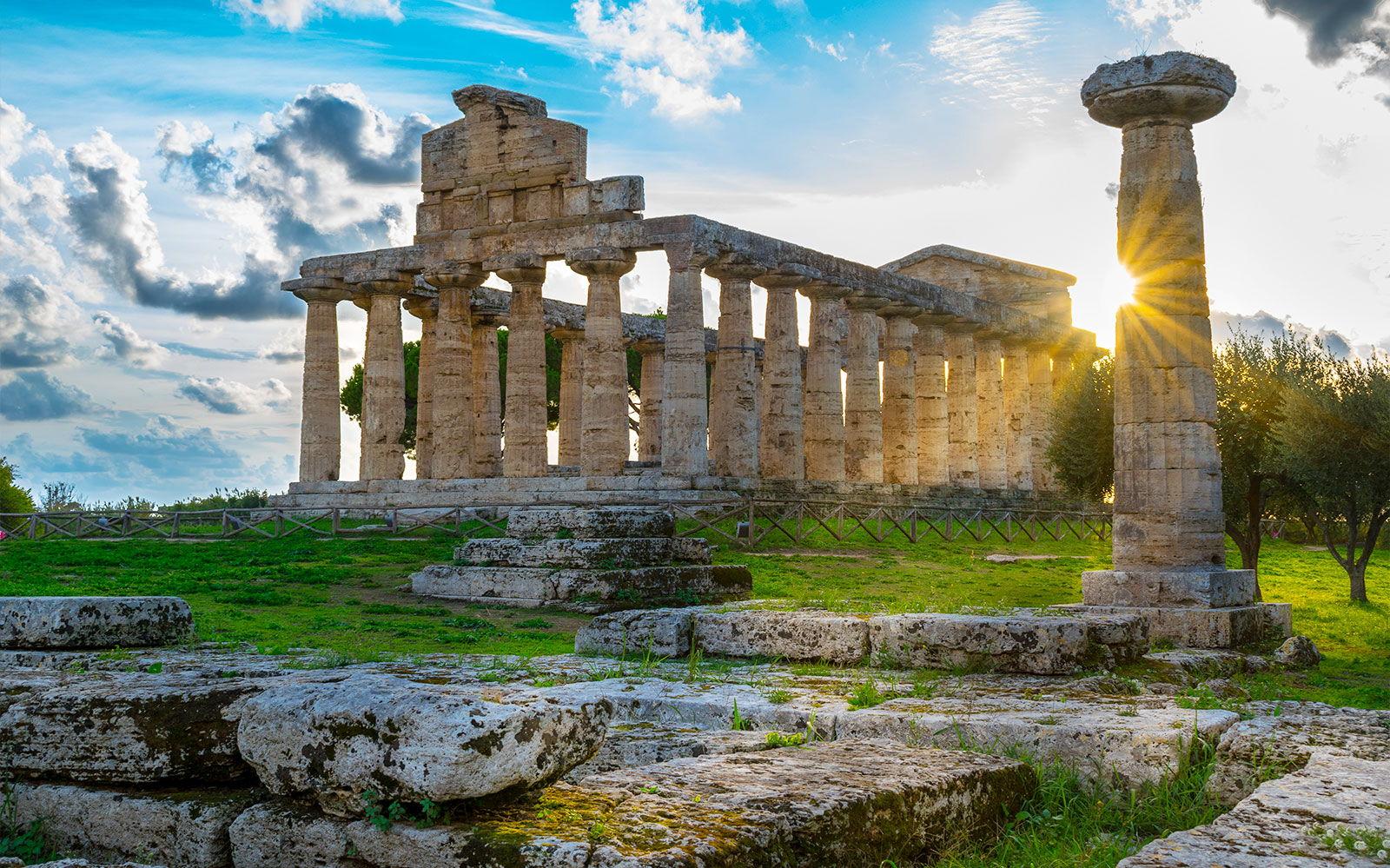
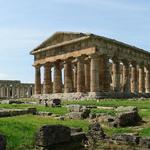
Once a major Greek city in southern Italy (when it was called Magna Graecia), Paestum is famous for its remarkably preserved temples and ancient ruins. Surrounded by peaceful countryside, it’s a must-see for history lovers and those seeking a quieter experience.
CilentoCilento
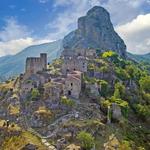
South of the Amalfi Coast, the Cilento region is a quieter, more authentic part of Campania. Known for its unspoiled nature, ancient Greek sites, and crystal-clear sea, it offers a glimpse of traditional southern Italy away from the crowds.