Alessandra & Nicholas


Things To Do
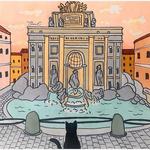
Trevi Fountain
The best time to see the Trevi Fountain is the early morning (before 9 am). The tradition of tossing coins into fountains (as it does apply to other fountains too) comes from a Roman practice of throwing coins into rivers or the sea before people were about to take a journey on the water. They believed that the coin would ensure the gods would grant them safe passage. Today, it's just for fun, but there is a right way to do it. Visitors should have their backs turned to the fountain and throw the desired number of coins over their left shoulder using their right hand to have the best chance of luck! Approximately 3,000 euros are thrown into the fountain every day!
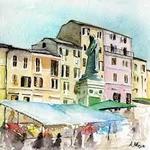
Campo de' Fiori
Named after the field of flowers it once was, Campo de’ Fiori is now a bustling flower (look out for two adorable dachshunds that hang around the flowers), fruit, and vegetable market. It stirs awake in the wee hours of the morning and slowly comes to life with vendors peddling fresh produce, dried fruit, souvenirs, and more. Most stalls close by early afternoon, so visit early. Once dusk falls, the area takes on a different kind of lively vibe, with al fresco restaurants and cocktail bars filled to the brim. Campo de’ Fiori is located close to Piazza Navona and the Pantheon.
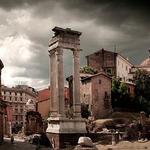
Jewish Ghetto
Hidden in the heart of the city, Rome’s Jewish Ghetto is one of the best attractions in Rome and also one of its least-known. As the oldest Jewish community in all of Europe, this beautiful, thriving neighborhood is as central to the history of the city as it is to the Jewish faith. Follow us into the Jewish Ghetto, Rome, to see how Jews have shaped the Eternal City. *Make sure to snack on an artichoke* Carciofi alla giudìa (Italian pronunciation: [karˈtʃɔːfi alla dʒuˈdiːa]; literally "Jewish-style artichokes") is among the best-known dishes of Roman Jewish cuisine. The recipe is essentially a deep-fried artichoke, and originated in the Jewish community of Rome, giudìo being the Roman dialect term for Jew. YUM.
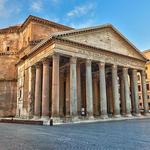
Pantheon
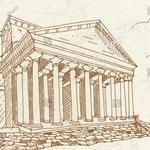
The Pantheon "temple of all the gods" is a former Roman temple and, since 609 AD, a Catholic church in Rome, Italy. It is one of the best-preserved of all Ancient Roman buildings, in large part because it has been in continuous use throughout its history. Since the 7th century, it has been a church dedicated to St. Mary and the Martyrs. The square in front of the Pantheon is called Piazza della Rotonda. The Pantheon is a state property, managed by Italy's Ministry of Cultural Heritage and Activities and Tourism through the Polo Museale del Lazio. For a better chance of seeing it without crowds, plan to go early in the morning (it opens at 8:30am) or late. It stays open until 7:30pm and until 6pm on Sunday. Admission is free. The best light is around noon, when the sun shines through the oculus.

Roscioli Salumeria con Cucina
Salumeria Roscioli was founded in 1992 as an offshoot of the family's Forno, a historic bakery that Marco Roscioli built with a lifetime of work. Today Salumeria Roscioli offers traditional cuisine that revolves around the product, aiming for the purity of the raw materials and the careful execution of research into historical recipes, aiming for perfect execution and taste.
Night of the Museums (Notte dei Musei) – May 18th
Every year in May, there will be extraordinary openings by night of some of the Rome museums. This 2024 the Night of the Museums will take place on May 18th. According to the plan, museums will be exceptionally open from 8PM to 2AM (last entrance at 1AM). On this occasiona entry tickets will be €1. The full list of museums is not published yet (we’ll update this article when we know more), however among the sites which will participate (and that we recommend visiting) are the Musei Capitolini, Centrale Montemartini, Trajan’s markets, Museum of the Ara Pacis, the Museum of Rome in Palazzo Braschi (Piazza Navona), Museum in Trastevere, Villa Torlonia and other little hidden museums off the beaten path.
Pentecost at the Pantheon – May 19th
After the mass at 10:30AM, the firefighters around midday, will throw thousands of rose petals from the top of the dome, which will fall inside the Pantheon. This is a breathtaking show which originates from ancient times. The rose petals symbolize the Holy Spirit and the birth of the Church, as well as the blood of Christ for the redemption of humanity.