Clint and Dena
Avoid The Pen!
Question
What do I wear? Will there be booze?
Answer
Keep reading...
Question
Shoes: This is really important!
Answer
The walkways of Greenfield Village are uneven and the flooring of The Eagle Tavern is knotty, pitted, and irregular. Women are encouraged to wear wide or block heels; plus, we are encouraging period attire and the stiletto doesn't appear in fashion until designers Salvatore Ferragamo, Roger Vivier and André Perugia created them, sometime between 1948 and 1954.
Question
What do I wear: Women
Answer
Vintage and period garb is highly recommended. Women's clothing involved an evolution of the waistline, wherein waistlines on dresses were just beginning to drop to the upper hip level with a loose fit and straight-line silhouette. Belts were an accent but never cinching. Collars, cuffs and pockets were oversized for the babydoll look while sleeves were wide and shapeless. Skirts were lightly gathered, straight and wide, 3-4 tiers or box pleated. The most notable trend in 1923 was the hem length. After hemlines crept up in the early 20s to mid-calf, in 1923 most hemlines came to just above the ankle. This sudden drop was an attempt to return Victorian modestly back to fashion and morals; however, many young women continued to wear shorter hemlines as part of the rebellion against societal norms. Evening wear followed the same straight-line, thin belted, loose fit that daytime dresses had. The Grecian look was still popular with draped panels hanging from the waist and round boatneck lines. Red seemed to be the trendiest color, accented in gold thread or beads. Other metal colors inspired by Egyptian art such as gold, silver, black, jade green and teal blue were also popular. Feather fans and boas were popular accessories, along with long strings of pearls.
Question
What do I wear: Men
Answer
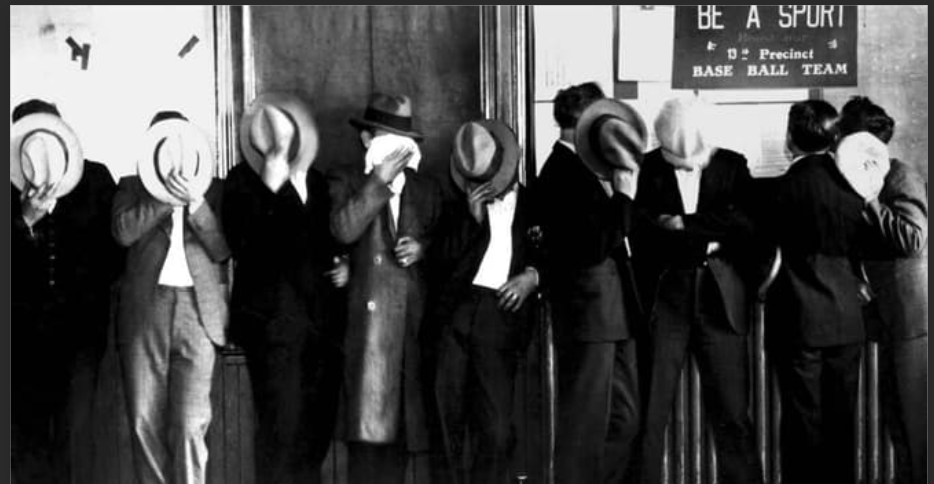
1920s men’s fashion was the start of menswear as we know it today. It was a time of classic sophistication with a level of fun that had gone by the wayside in favor of more and more casual modern clothing. Colors in 1920s men’s clothes were mostly neutral with patterns, but the accessories popped with vibrant colors — just like they did for women’s 1920s fashion. What sets 1920s men’s suits apart from other decades are the materials and how they fit. Suits were mostly made of thick wool, wool tweed, mohair, wool flannel, and corduroy that made them heavier than today’s suit materials, but lighter than the previous decades. Suit jackets were either single or double breasted and featured 3 or 4 buttons up the front. The top button came to the center of the heart, giving way to notch lapels that grew wider each year. The height of the suit lapels is what really sets 1920s suits apart from suits of other eras. When buttoned, jackets would completely cover vests, exposing only the shirt collar and necktie. The 1920s look isn’t quite done. All men, all classes, wore hats… all… the …time. Felt hats were worn all year in neutral colors: navy blue, grey, tan, brown, green, and black. The stiff black, brown, or grey homburg was the American choice for business dress. The brim was narrow with a curled edge, and the crown had a deep center dent. The fedora hat is the most iconic hat of the decade. It was considered a stylish young man’s hat with a wide brim, tall crown, and center dent or pinch front. The brim was snapped down slightly in front and up in the back, although the shape was entirely up to the wearer. Fedora hats and other felt hats hardly ever matched suit colors.
Question
Will there be booze?
Answer
Despite Prohibition being in full enforcement, our Speakeasy will be fully operational, and we'll have plenty of giggle juice. If you plan to tip a few, please keep in mind that we want you to avoid the coppers. Arrange for a safe way home so you don't end up in bracelets.